

Compression Testing Machine Buying Guide 2026
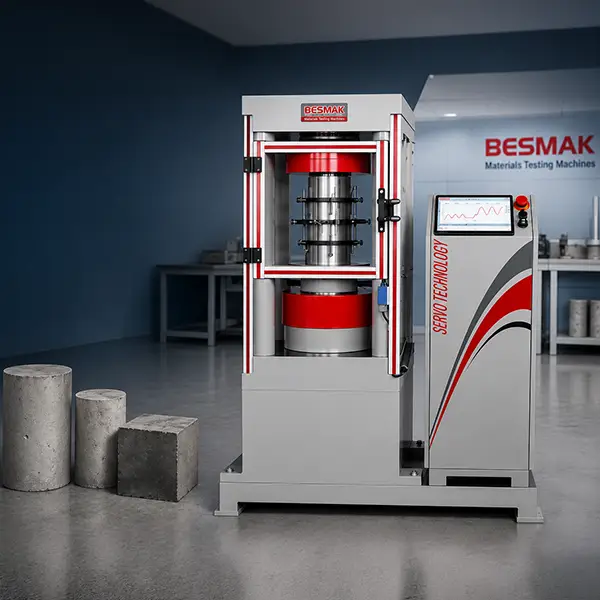
How to Choose the Right Compression Testing Machine for Your Laboratory
A Compression Testing Machine is one of the most important pieces of equipment in concrete, cement, and construction material laboratories. Choosing the right system can improve testing accuracy, increase productivity, and ensure compliance with international standards such as ASTM and EN.
Key Factors to Consider
The first step is determining the required load capacity. Concrete testing laboratories commonly use machines ranging from 2000 kN to 5000 kN, depending on the specimen type and testing requirements.
Modern compression testing machines should provide precise load measurement and stable control throughout the test. High-accuracy load cells and advanced control systems help laboratories achieve repeatable and reliable results.
Ensure the machine complies with relevant standards including:
- ASTM C39
- EN 12390
- ISO 7500-1
Compliance guarantees that test results are accepted by clients, consultants, and regulatory authorities.
Fully automatic systems reduce operator errors and improve efficiency. Advanced controllers can automatically perform tests, generate reports, and store data for future analysis.
A robust frame design is essential for long-term performance. High-stiffness frames provide better stability and more accurate compression testing results.
Applications of Compression Testing Machines
Compression testing machines are widely used for:
- Concrete cube testing
- Concrete cylinder testing
- Cement testing
- Masonry and block testing
- Construction material quality control
- Research and development laboratories
Why Choose BESMAK Compression Testing Machines?
BESMAK offers advanced compression testing solutions designed for modern laboratories. With high-capacity frames, precision measurement systems, and fully automatic control options, BESMAK machines deliver reliable results while meeting international testing standards.
Conclusion
Selecting the right Compression Testing Machine requires evaluating capacity, accuracy, automation, standards compliance, and long-term durability. Investing in the proper system helps laboratories improve efficiency, ensure reliable test results, and meet industry requirements.
Frequently Asked Questions
Most concrete laboratories use machines between 2000 kN and 3000 kN, while higher-capacity systems are available for specialized applications.
ASTM C39, EN 12390, and ISO 7500-1 are among the most commonly used standards.
Automatic systems improve repeatability, reduce operator influence, and simplify reporting and data management.
Fully automatic systems reduce operator errors and improve efficiency. Advanced controllers can automatically perform tests, generate reports, and store data for future analysis.
A robust frame design is essential for long-term performance. High-stiffness frames provide better stability and more accurate compression testing results.