

Compression Testing Machine: Why It Matters in Modern Concrete Testing
In the construction and materials testing industry, accuracy is everything. A compression testing machine plays a critical role in determining the strength and durability of concrete, ensuring that structures meet safety and quality standards. Whether in a laboratory or on-site facility, choosing the right testing equipment directly impacts the reliability of your results.
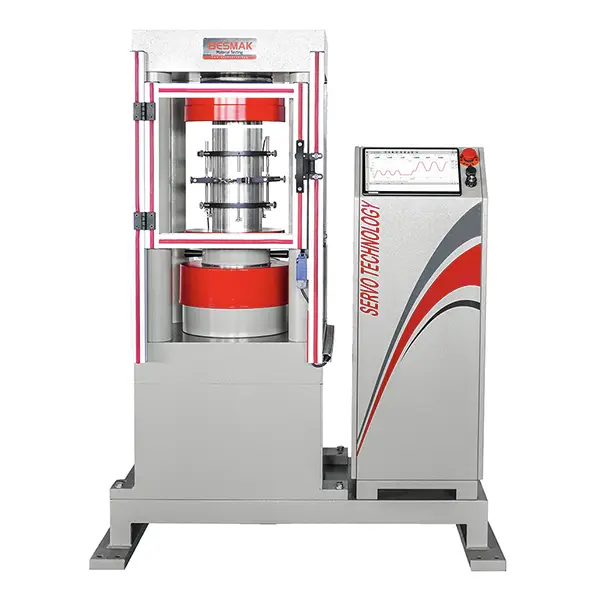
What is a Compression Testing Machine?
A compression testing machine is designed to apply controlled compressive force to a material sample until it fails. This process helps engineers and technicians measure the maximum load a material can withstand.
These machines are widely used in:
* Construction laboratories
* Quality control departments
* Research and development centers
* Infrastructure and civil engineering projects
With the increasing demand for high-strength concrete, the importance of precise testing has never been greater.
Why 4-Column Compression Testing Machines Are Preferred
Not all testing machines offer the same level of performance. A 4-column design is widely recognized for its superior mechanical stability and accuracy.
The rigid frame structure ensures that the load is evenly distributed, minimizing errors caused by frame deformation. This is especially important when testing high-capacity or high-strength materials.
Additionally, the 4-column system provides better alignment, which results in more reliable and repeatable test outcomes.
Fully Automatic Systems: The Future of Material Testing
Modern compression testing machines are equipped with fully automatic control systems that significantly enhance performance and usability.
These systems offer:
* Closed-loop control for precise load application
* Automatic test execution based on international standards
* Real-time data monitoring and graphical analysis
* Reduced dependency on operator experience
Automation not only improves accuracy but also increases efficiency in busy laboratory environments.
Compliance with International Testing Standards
One of the most important factors in selecting a compression testing machine is compliance with global standards.
High-quality machines are designed according to:
* EN 12390-4 for hardened concrete testing
* ASTM C39 for compressive strength measurement
* ISO 7500-1 Class 0.5 for load accuracy
Following these standards ensures that test results are globally accepted and comparable across different laboratories.
Versatility in Sample Testing
A professional compression testing machine must be capable of handling a variety of specimen types.
Typical applications include:
* Concrete cubes in different sizes
* Cylindrical samples used in structural testing
* High-strength and large-scale specimens
This flexibility allows laboratories to perform a wide range of tests without needing multiple machines.
Key Benefits for Laboratories and Engineers
Investing in a high-performance compression testing machine offers several advantages:
* High precision: Accurate and repeatable test results
* Efficiency: Faster testing with automated processes
* Safety: Enclosed testing areas and controlled operations
* Durability: Long-lasting performance with minimal maintenance
These benefits contribute to improved productivity and higher confidence in test outcomes.
Conclusion
A reliable compression testing machine is essential for ensuring the quality and safety of construction materials. With advanced automation, robust design, and compliance with international standards, modern systems provide unmatched accuracy and efficiency.
For laboratories aiming to maintain high testing standards, investing in the right equipment is not just an option—it’s a necessity.